 Saraswati Vidya Peetham Poorva Vidyarthi Parishath
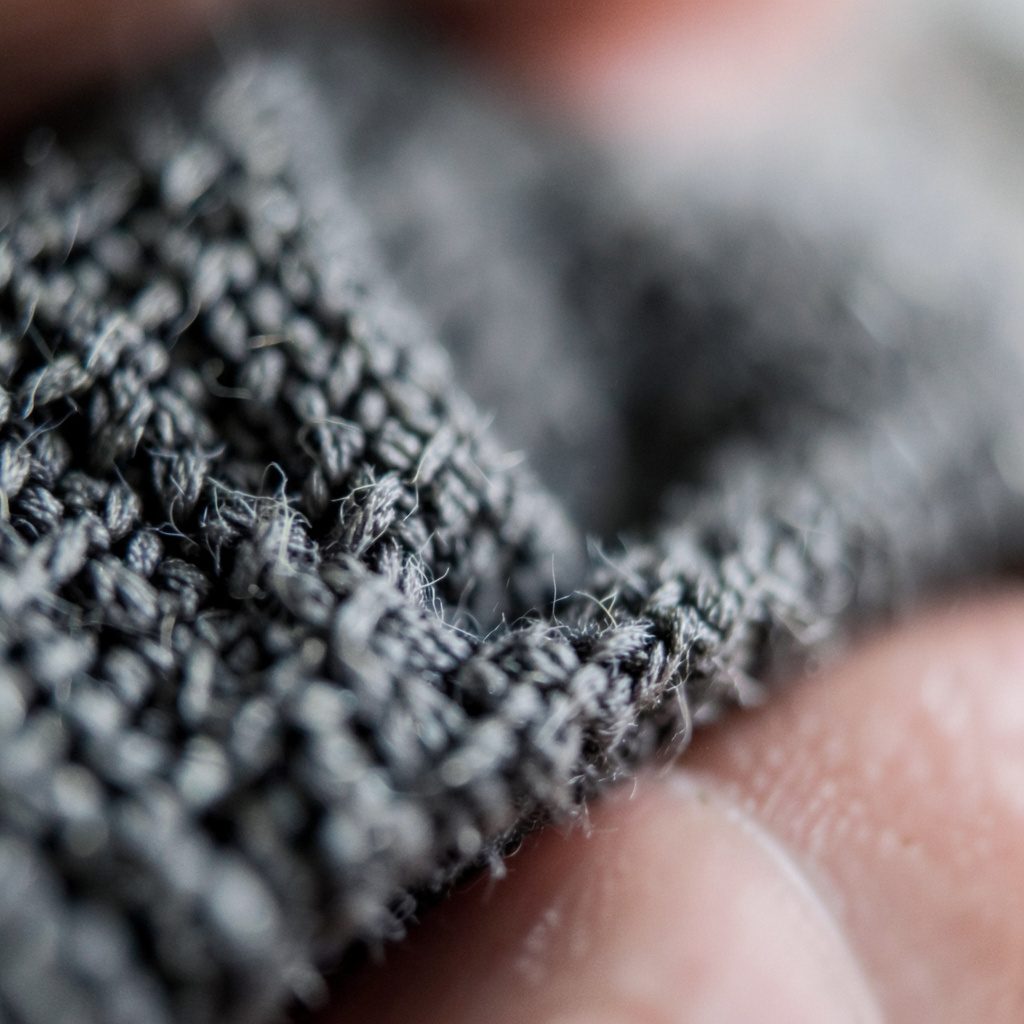
From Daily Dress to Shared Memory: School Uniforms Through the Decades
A school uniform is often remembered through small details: the colour of a pinafore, the feel of a cotton shirt after a long assembly, polished shoes lined up outside a classroom, or a badge carefully stitched above the pocket. For former students of Sri Saraswathi Vidyapeetham and Shishu Mandir, these details connect personal memories with the wider story of school life.
Uniforms have changed as schools, families and communities have changed. Fabric technology, local weather, education policies, household budgets and ideas about identity have all influenced what students wear. A garment that once seemed ordinary can later become a powerful reminder of friendship, discipline, festivals, sport and everyday learning.
For alumni in Australia, looking back at these changes can create an interesting bridge between school memories and local experience. Uniform traditions in Melbourne, Sydney, Brisbane and other cities also reflect climate, sun protection, affordability and changing expectations around comfort. The story of school dress is therefore a story about belonging, practicality and time.
Early Uniform Traditions And School Identity
In the early decades, a uniform usually had a clear visual purpose. Matching colours and simple, formal shapes helped create a shared identity across classrooms. Students could be recognised easily during assemblies, excursions and school events, while the clothing reinforced values such as neatness, responsibility and respect for the institution.
Many older uniforms were made from durable cotton, wool blends or heavier synthetic fabrics. These materials were chosen because they could survive regular washing and repeated use. A shirt, tunic, skirt, shorts or pair of trousers often had to last through an entire school year, and sometimes longer when passed to a younger sibling.
For families, the uniform was part of the rhythm of school preparation. Parents checked collars, repaired hems and replaced buttons, while students learned to care for shoes and keep clothing presentable. Alumni who want to reconnect with classmates or preserve these memories can explore the alumni membership community, where shared experiences often bring forgotten details back into conversation.
Fabrics, Colours And Changing Standards
As manufacturing developed, school clothing became available in a broader range of fabrics and colours. Polyester blends made garments easier to iron, while improved stitching and colourfast dyes helped uniforms retain their appearance after frequent washing. Sports uniforms also became more specialised, with lighter materials supporting movement during physical education and school competitions.
Colour choices carried meaning. Deep blues, whites, maroons, greens and saffron shades could communicate tradition, house identity or connection with the school’s cultural roots. Badges and embroidered crests became more consistent as schools developed clearer branding, giving students a visible link to ceremonies, newsletters, magazines and inter-school events.
The cut of the uniform gradually became less rigid. Trousers and shorts offered practical alternatives for active students, and some schools introduced seasonal options. The change was often gradual rather than dramatic, shaped by parent feedback, supplier availability and the changing expectations of students themselves.
Climate And Comfort Across Australia
Australian families view school clothing through the realities of local weather. A student in Melbourne may need a jumper, raincoat and thicker socks during winter, while a student in Brisbane may prioritise breathable shirts, lightweight fabrics and quick-drying garments for humid conditions. Sydney’s changing seasons create demand for versatile layering, and schools in Perth or Adelaide may place strong emphasis on sun protection.
The school hat is a particularly important part of Australian uniform culture. Broad-brimmed or bucket hats are common because many schools follow sun-safe practices influenced by campaigns such as SunSmart. This reflects everyday life in Australia, where outdoor assemblies, walks to school and lunchtime sport can expose children to intense ultraviolet radiation.
Comfort has also become a question of fabric performance. Moisture-wicking materials, stretch panels, adjustable waistbands and softer seams can make a significant difference during a long school day. These features are especially useful for students travelling by public transport, walking in hot weather or taking part in outdoor activities.
Digital learning has added another layer to the way students and families think about practical education resources. Alumni researching changes in training and study materials may come across a training material guide, reflecting how learning support now extends beyond printed textbooks and classroom routines.
Affordability, Retail And Family Life
The uniform market has moved from small local suppliers and made-to-measure arrangements towards a mixture of school shops, department stores, online retailers and specialist uniform companies. Australian parents may purchase garments through a school’s designated supplier, a local uniform store or a second-hand platform. The choice depends on price, convenience, availability and whether a particular logo or colour is required.
Affordability has become more visible in conversations about school clothing. Growing children can quickly outgrow shoes, winter coats and sportswear, so families often rely on uniform exchanges, sibling hand-me-downs and community clothing sales. A durable garment with a generous hem or adjustable waist can remain useful across several stages of a child’s school life.
Australian Consumer Law also matters when families buy uniforms. Products must be of acceptable quality, match their description and be fit for their ordinary purpose. If a zipper fails unusually quickly or a garment does not match what was advertised, parents may have consumer rights even when the item was purchased online. Clear sizing information and transparent replacement policies are increasingly important in the local market.
The cost of uniforms can also affect participation in school activities. When formal wear, sports kits, hats and winter layers are treated as separate requirements, the total expense can become substantial. Schools that offer second-hand sales, flexible options and clear purchasing guidance help make uniform traditions more inclusive.
Gender, Representation And Everyday Choice
Earlier uniform systems often divided clothing strictly by gender. Girls were expected to wear skirts or dresses, while boys wore shorts or trousers. Over time, many schools have introduced more flexible combinations, allowing students to choose from approved options that suit their comfort, identity and daily activities.
This shift reflects broader changes in Australian society, including greater attention to inclusion, disability access and individual wellbeing. A student who needs sensory-friendly fabric, adaptive fastenings or a different garment shape may require practical adjustments. Uniform policies are increasingly expected to support participation rather than create unnecessary barriers.
Representation matters in visual details as well. Cultural events, language programs and community celebrations can influence how students understand the meaning of school colours and symbols. A uniform can express shared identity while leaving room for respectful recognition of the diverse backgrounds represented in the school community.
For older students and alumni, these developments can be viewed alongside changing ideas about education and work. A well-presented student may still be encouraged to show discipline, yet presentation is now more closely connected with confidence and personal expression. Alumni writing about their educational experience can find useful guidance in building a resume, especially when translating school values into professional language.
What Alumni Remember Today
The most meaningful uniform memories are rarely limited to a list of garments. Alumni remember borrowing a missing belt before assembly, sharing an umbrella on a rainy morning, pinning a badge onto a new shirt, or discovering that an old class photograph captured the exact style of a particular decade. These moments give historical meaning to ordinary clothing.
The following comparison shows how school dress has broadly shifted while retaining its connection with community identity.
| Period | Common Characteristics | Practical Priorities | Meaning For Alumni |
|---|---|---|---|
| Earlier decades | Formal cuts, durable cotton or wool blends, fixed styles | Longevity, neatness and easy recognition | Strong memories of ceremony and discipline |
| Transitional years | More colour options, blended fabrics and seasonal pieces | Easier care, lower maintenance and flexibility | A visible period of social and school change |
| Recent decades | Sports fabrics, adjustable fits and broader garment choices | Comfort, inclusion, climate response and movement | Personal expression within a shared identity |
| Australian setting today | Hats, breathable layers, second-hand options and online purchasing | Sun safety, affordability and varied weather | A balance between tradition and everyday practicality |
School uniform archives can support this kind of reflection. Old photographs, magazine articles, event notices and reunion conversations help place clothing within its original setting. A sports shirt may recall a particular competition, while a winter jumper may be linked to a school trip, a friendship group or a memorable annual celebration.
The uniform’s evolution therefore continues beyond the school gates. It survives in family photographs, alumni stories, preserved badges and conversations between former classmates. Each generation adds its own interpretation, connecting the appearance of school clothing with the values, hopes and practical realities of its time.